
by wiReply Editorial | 8 Sept 2026 | reply to reviews
A restaurant can have a 4.7-star rating and still lose bookings if its last review was six months ago. On Google Maps, perception isn't built on the average score alone. Recent activity, review volume and... also play a part.

by wiReply Editorial | 7 Sept 2026 | reply to reviews
An unanswered negative review can stop a booking, a store visit or a call to the garage. But the problem isn't just that single opinion. The problem arises when the same comment is repeated for weeks across various locations and no one spots it in time. The...
by wiReply Editorial | 6 Sept 2026 | reply to reviews
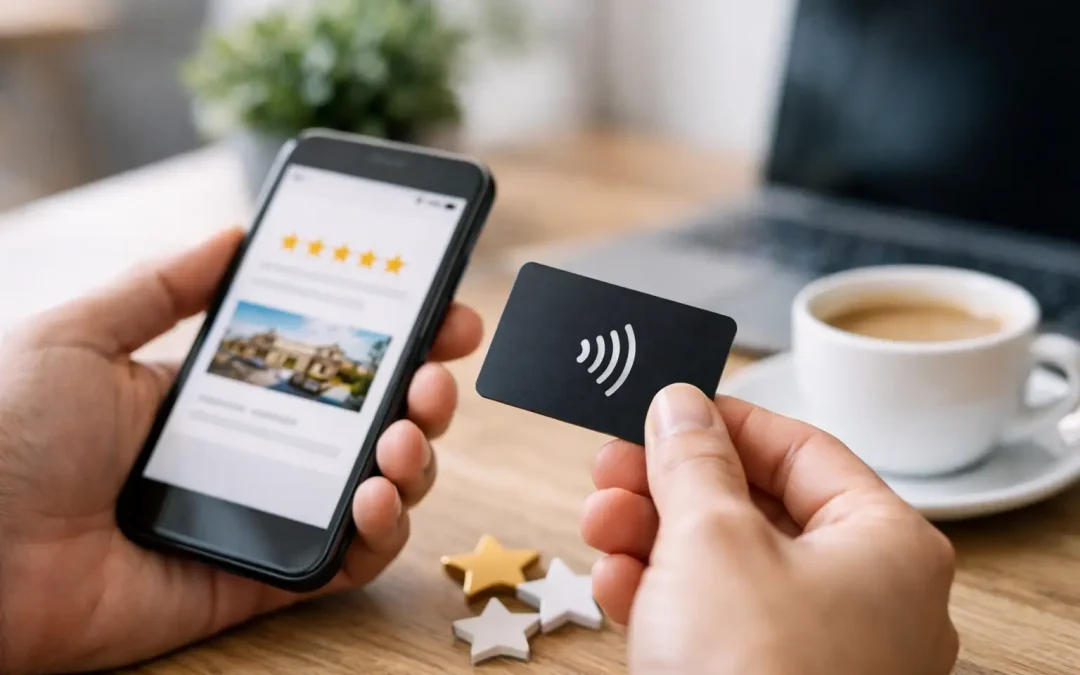
A review is not lost because a customer is unhappy. Often it is lost because nobody asks them for one at the exact right moment. NFC cards resolve this friction point: tap the phone, open the Google listing and leave a review in a few seconds. To...

by wiReply Editorial | 5 Sep 2026 | reply to reviews
An unanswered review, incorrect opening hours or an outdated photo can make a customer choose another business before reaching your door. When a brand manages multiple locations, these small mistakes multiply. A profile manager allows...

by wiReply Editorial | 4 Sep 2026 | reply to reviews
An isolated negative review may be due to a one-off bad experience. Ten comments about waiting times, cleanliness or staff treatment indicate something else: an operational problem that is already affecting local reputation. Knowing how to spot recurring complaints...
by wiReply Editorial | 3 Sept 2026 | reply to reviews
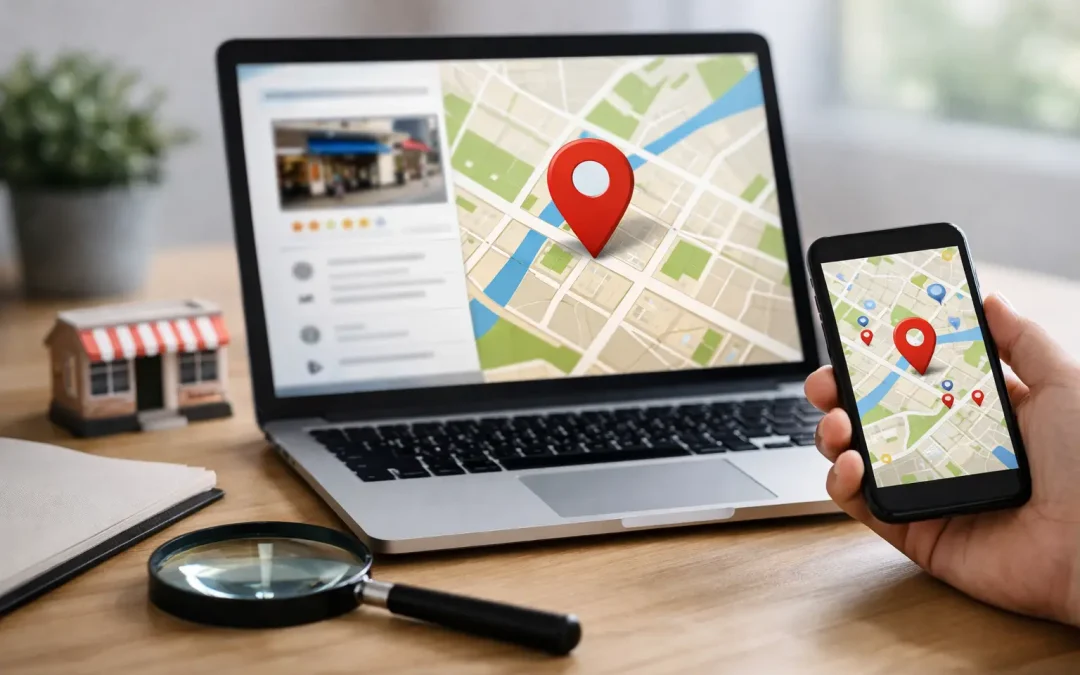
An incomplete, outdated or unanswered listing can cause a well-serviced business to lose visits to a less prepared competitor. Knowing how to optimise a local listing is not about adding keywords without criteria. It is about giving Google and...